

When “Touch Grass” Makes It Worse: Navigating Well-Meaning But Unhelpful Mental Health Advice
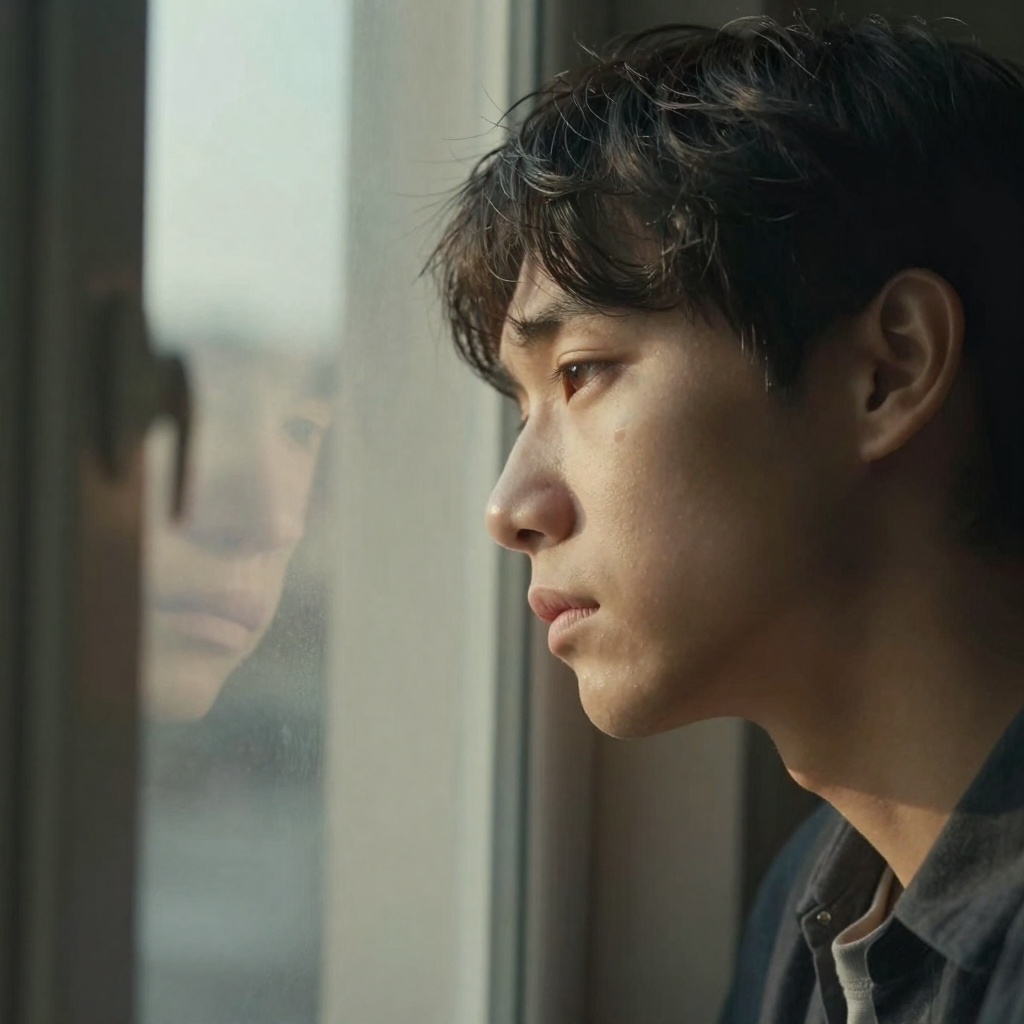
You’ve heard it all before. You’re struggling, you reach out, and the chorus arrives: “Have you tried going for a walk?” “Just get some sunlight!” “Exercise will fix it!” You try. You lace up your shoes, step outside, and… nothing. Or worse, you feel a surge of anxiety, a wave of exhaustion, or a crushing sense of failure because the “simple fix” didn’t work. The message you internalize is deafening: You must be broken.
If this resonates, please know this first: you are not broken. You are not failing at self-care. The problem is not you; it’s the one-size-fits-all nature of the advice. This article is for anyone who has ever nodded along to well-meaning suggestions while screaming inside, “It’s not that simple!” We’ll explore why common advice can miss the mark, validate your unique experience, and guide you in building a coping toolkit that actually fits you.
Why “Universal” Advice Can Feel So Dismissive
Advice like “touch grass” or “just go for a walk” comes from a good place. It’s rooted in genuine evidence about the benefits of nature, movement, and sunlight for mood regulation. But when delivered as a blanket solution, it can feel painfully superficial. It ignores the complex, lived reality of mental health challenges.
The Gap Between Knowing and Doing
As one person shared while reading about ADHD, the core issue often isn’t a lack of knowledge. They realized, “ADHD isn’t a disorder of knowing what to do. It’s a disorder of doing what you already know.” This insight applies far beyond ADHD. Deep depression can sever the connection between intention and action. Anxiety can make the thought of a public walk feel paralyzing. Trauma can create negative associations with being outside. The advice assumes a functional bridge between “know you should” and “can do,” a bridge that mental illness often washes away.
When the World Itself Feels Like the Problem
Another poignant experience highlights a different layer: “We live in a society that feels fake and hypocritical… How are you supposed to be happy in a system that feels empty and unfair?” For many, the suggestion to “just get outside” ignores that the outside world can be a source of the distress—a place of overwhelming stimuli, social pressure, or existential dread. Recommending a walk doesn’t address the feeling that the very fabric of daily life is contributing to the pain.
The “Positivity” Pressure Cooker
The chase for a quick fix can backfire spectacularly. One individual described consuming motivational content only to crash harder: “I’d feel lifted for an hour, maybe two. Then I’d be back to baseline, sometimes lower, because now I also felt like I was failing at being positive.” When “simple” strategies don’t work, they don’t just leave you at square one; they can add a new layer of shame and self-criticism for “failing” at self-care.
Becoming the Expert of Your Own Experience: How to Audit Advice
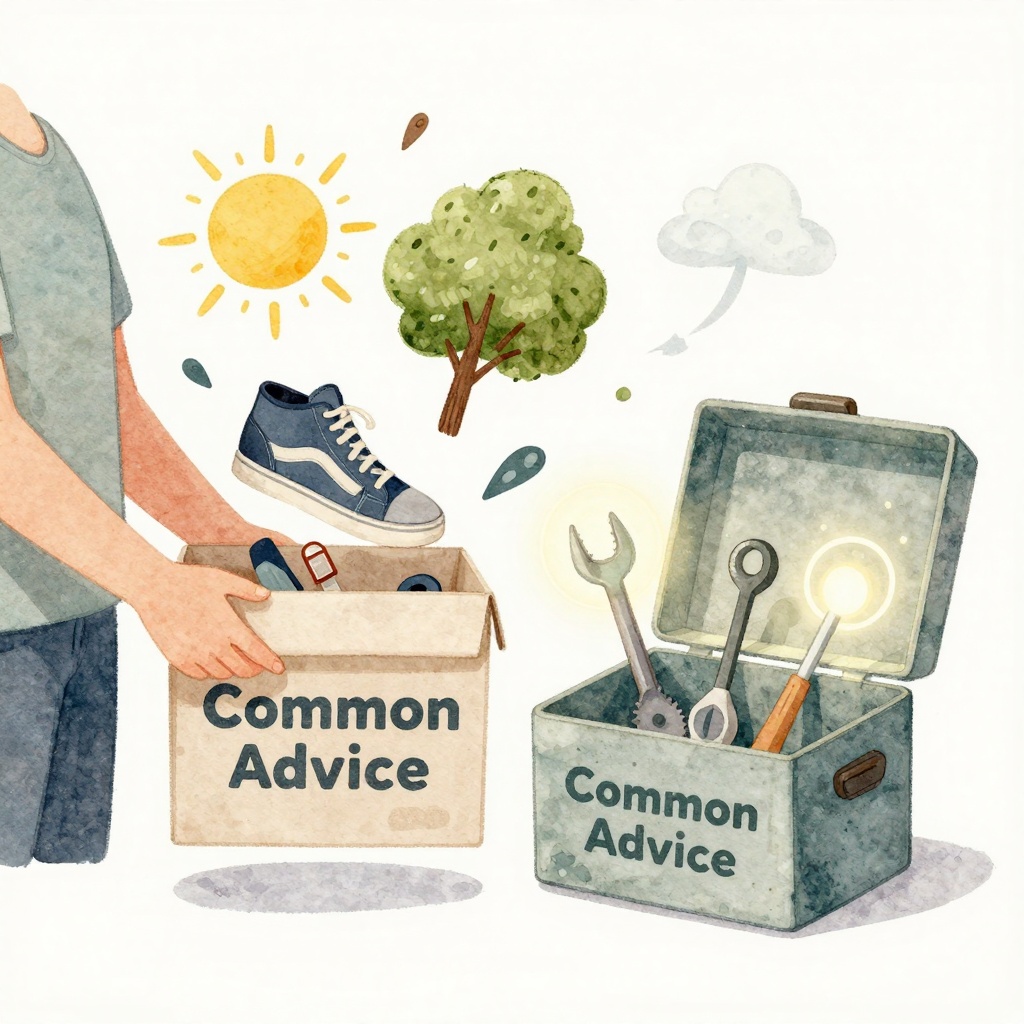
The first step toward empowerment is shifting from a model of “following instructions” to one of “curated experimentation.” You are the leading expert on your own nervous system. Here’s how to start auditing the advice you receive.
Tune Into Your Body’s Honest Feedback
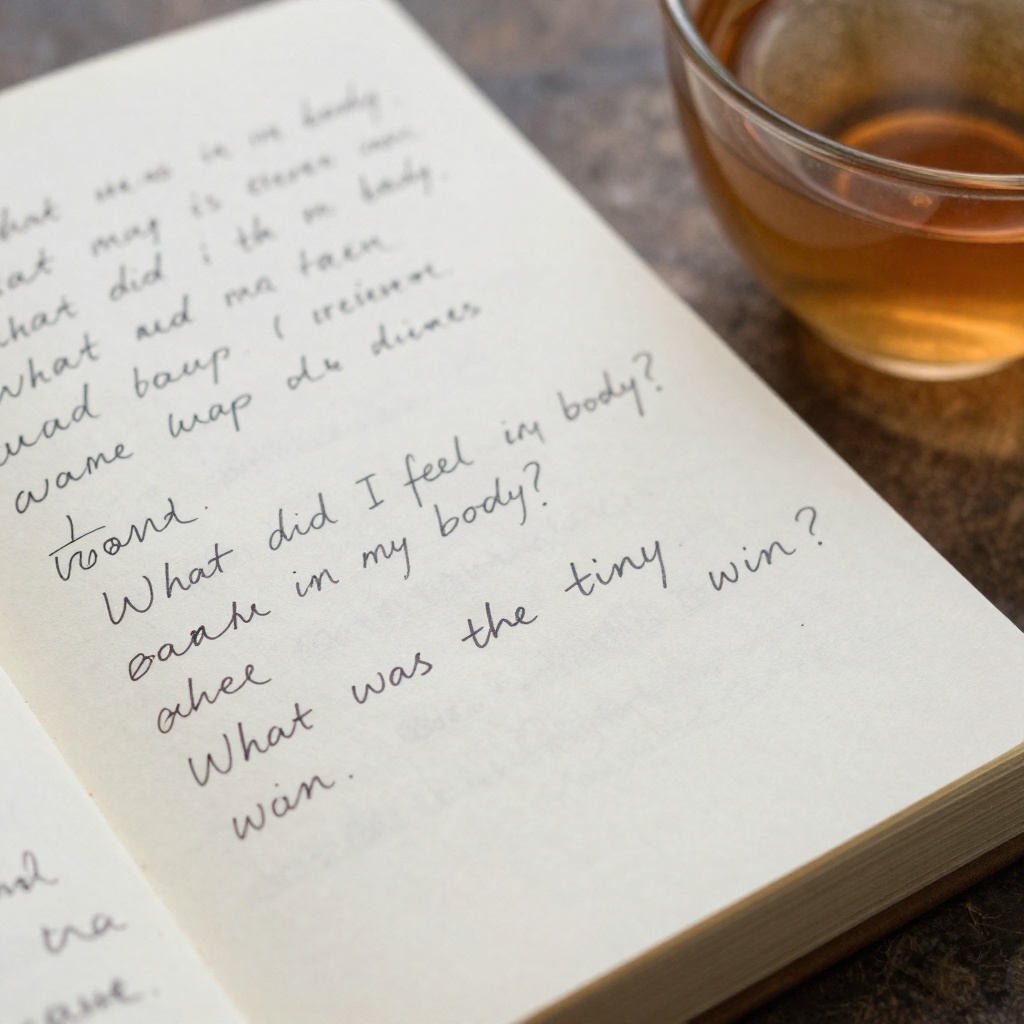
When you hear a suggestion like “you should meditate” or “try a run,” don’t just dismiss it or force yourself. Pause and ask:
- What sensation arises in my body? Do I feel a clench in my stomach (anxiety)? A heavy weight in my limbs (fatigue)? A spark of interest (curiosity)?
- What is the immediate thought that pops up? Is it “I can’t handle that,” “That sounds exhausting,” “Maybe a tiny version?” or “I used to love that, but now…”
These responses are not resistance to be overcome; they are crucial data. A feeling of dread about a crowded park is valid information. It tells you the standard prescription needs adjustment.
Identify the Core Benefit, Then Get Creative
Most common advice is aiming for a specific, evidence-based benefit. Your job is to find your unique pathway to that benefit. Break down the advice:
- “Get Sunlight” → Core Benefit: Regulate circadian rhythm, boost Vitamin D, signal “wakefulness” to the brain.
- Your Path: If going outside is triggering, could you sit by an open window for 10 minutes? Could a light therapy lamp on your desk provide the wakefulness signal without the overwhelm?
- “Go for a Walk” → Core Benefit: Rhythmic movement, change of scenery, gentle cardiovascular activity.
- Your Path: If a walk feels like too much, what about mindful stretching in your living room? Or walking in place while watching a calming video? Could you drive to a secluded, familiar spot just to sit in the car and look at trees?
- “Exercise” → Core Benefit: Release endorphins, regulate stress hormones, build body awareness.
- Your Path: If the gym is a nightmare, what about 5 minutes of dancing to one song in your kitchen? Or seated yoga? Or gentle shaking (like a tension-release tremor) to move energy?
Redefine “Success”
Success is not “doing the thing perfectly.” Success is gathering information. If you try sitting by the window and feel agitated, that’s not a failure. You’ve learned: “Direct morning light when I’m anxious is too stimulating. Maybe I try diffused afternoon light instead.” This is the scientific method applied to your own well-being.
Building Your Personalized Coping Toolkit (Without the Guilt)
Your toolkit shouldn’t be a list of “shoulds.” It should be a collection of “coulds” that you’ve personally vetted. Let’s build it step-by-step, inspired by real struggles like sleep issues, emotional overwhelm, and the need for structure.
Start With “Down-Regulation” Tools
When you’re in distress, you often need to soothe before you can solve. These are for moments of high anxiety, sadness, or anger, like the feeling of being a “whore under fire” or holding in quarrels.
- Temperature Shift: Hold an ice cube, splash cold water on your wrists, or take a warm shower. This can shock the nervous system out of a panic loop.
- 5-4-3-2-1 Grounding: Name 5 things you see, 4 you can touch, 3 you hear, 2 you smell, 1 you taste. It forces your brain into the present.
- Safe Space Visualization: Close your eyes and imagine the details of a place that feels utterly safe and calm. Engage all your senses.
Incorporate “Gentle Activation” Tools
These are for when you’re low, flat, or paralyzed—the “knowing but not doing” state. They’re about creating tiny, undeniable momentum, like the person who found positivity through “tiny daily structure.”
- The One-Task Promise: Don’t clean the whole kitchen. Promise yourself you will put just one dish in the dishwasher. Often, starting is the only barrier.
- Body Before Brain: When thoughts are chaotic, move your body in a simple, repetitive way: pace a hallway, rock gently, squeeze a stress ball. It can create a rhythm for your thoughts to settle into.
- Micro-Structure: Instead of a daunting schedule, create one or two “anchor points.” “At 10 AM, I will make a cup of tea and sit by the window.” That’s it. That’s the structure.
Curate Your Environment for Success
Your surroundings can be a co-conspirator in your struggle or a silent support system. Think of the person struggling with sleep; their environment wasn’t supporting rest.
- Sensory Audit: What in your space increases anxiety (harsh lighting, clutter, noise)? What soothes it (soft blankets, dim lamps, calming scents like lavender)? Make tiny adjustments.
- Permission Slips: Post notes where you’ll see them: “It’s okay to do 5 minutes.” “Feeling bad doesn’t mean you are bad.” “Rest is productive.”
- The “Do Not Disturb” Toolkit: Have a physical box or basket with items that help: noise-canceling headphones, a favorite fidget toy, a comforting book, a heavy blanket.
Moving Forward as Your Own Best Advocate
The goal is not to reject all common advice, but to become a translator. You learn to take the underlying principle and adapt it into a language your mind and body can understand.
When someone offers a well-meaning “You should just…,” you can now internally (or politely externally) respond: “Thank you. I’m learning that for me, the benefit of that might come from something a little different.” This shifts you from a passive recipient of advice to an active investigator of your own well-being.
You are not failing because a walk didn’t cure your depression. You are navigating a complex inner landscape with a map that was drawn for someone else. It’s time to pick up the pencil and start charting your own territory. Your path is unique, valid, and worth finding.
Your call to action is small but profound: This week, choose one piece of common advice that has fallen flat for you. Break down its core benefit, and brainstorm one absurdly small, non-intimidating alternative. Try it. Observe what happens without judgment. You’ve just taken the first step in becoming the true expert on you.