
When Life Feels Stuck: Navigating Grief for a Past That’s Gone and a Future That Feels Frozen
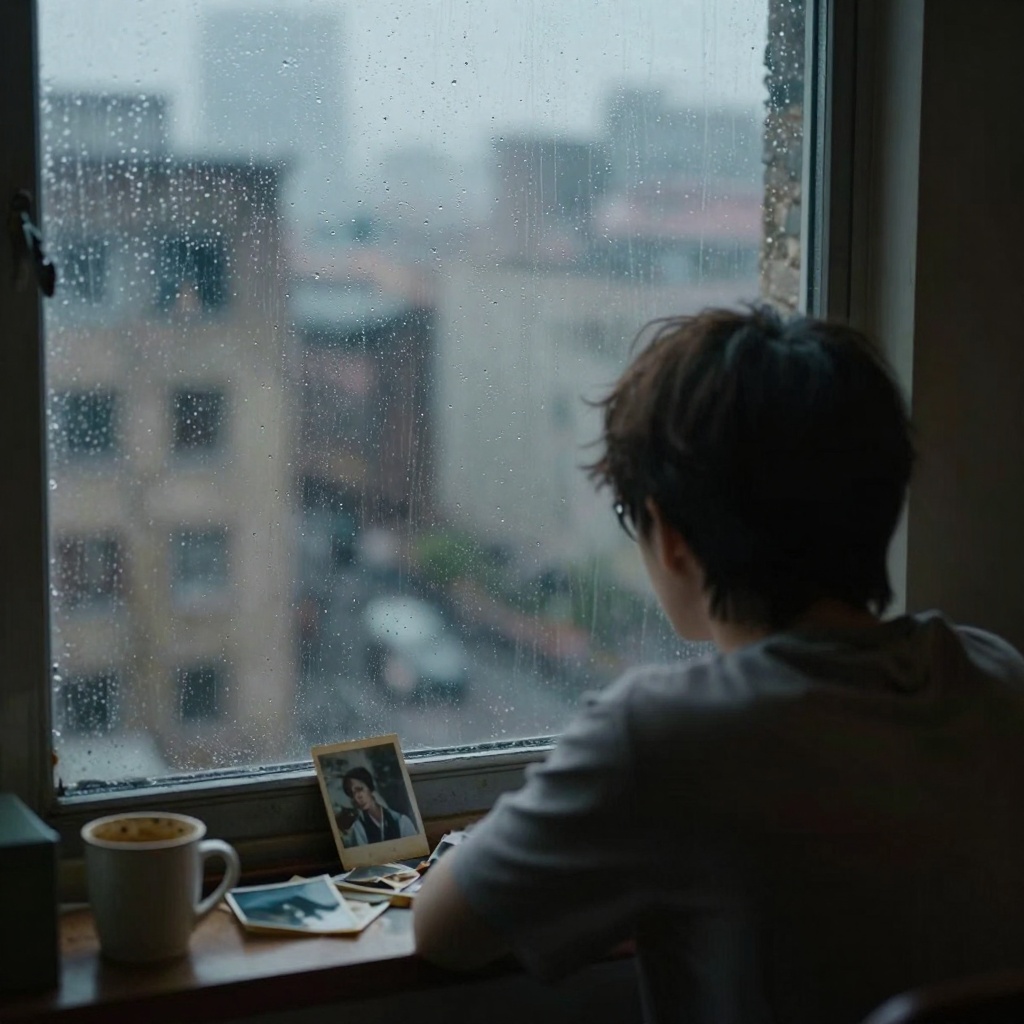
Do you ever catch yourself scrolling through old photos, not with a smile, but with a deep, aching sense of loss? Do you feel a profound nostalgia for a time that felt simpler, more hopeful, or more you, while the path ahead seems shrouded in fog, impossible to navigate? You might find yourself saying things like, “Life after 2020 just feels so horrible,” or “I can’t stop obsessing about how it’ll never be how it was.”
If this resonates, please know this first: you are not broken, and you are not alone. This article is for anyone who feels mentally and emotionally anchored to a “before” time while feeling powerless to create an “after.” It’s for the person who stays in their room, paralyzed by inaction, and for the one who mourns a pre-2020 world with a daily, heavy heart. This is the pervasive feeling of being stuck, grieving both a past that’s irretrievably gone and a future that feels permanently frozen.
We’re going to explore this dual grief, understand why trauma makes us shut down, and—most importantly—map out gentle, practical steps to move from paralysis toward a sense of agency. This isn’t about “snapping out of it.” It’s about compassionate understanding and actionable strategies to help you integrate your past and begin building your future, one micro-step at a time.

The Dual Grief: Mourning Your Past and Your Future Simultaneously
We often think of grief as something that follows a death or a definitive ending. But grief is much more versatile and insidious. It can attach itself to lost time, lost potential, and lost versions of ourselves. What you’re experiencing may be a dual grief: a simultaneous mourning for the past you’ve lost and the future you expected but now feels out of reach.
Grief for the Past: This is the nostalgia that “hits hard every day,” as one Reddit user described. It’s mourning a specific era—perhaps a pre-2020 world of unthinking social connection, career momentum, or personal optimism. It’s grieving for a version of you that felt safer, more carefree, or more connected. This grief says, “Things were better then.”
Grief for the Future: This is less discussed but equally powerful. It’s the mourning for the life path you had mapped out—the career, relationships, milestones, or sense of self you assumed were coming. When a major disruption fractures your world (a bitter family divorce, a global pandemic, a personal loss), that future narrative can crumble. This grief whispers, “The life I wanted is no longer possible.”
Where do these two griefs meet? In a paralyzing present. The past feels irretrievably better, and the future feels impossibly daunting. The present becomes a waiting room you never chose to sit in, leading to shutdown behaviors: isolation, avoidance, and obsessive rumination. The 20-year-old who won’t leave his room and the person obsessing over nostalgic memories are both trapped in this painful in-between space.
Actionable Takeaway: Name Your Dual Grief. Simply acknowledging this dynamic can be powerful. Try writing two short lists: “What I miss from my past” (e.g., spontaneity, a sense of safety) and “What I grieve for my expected future” (e.g., a certain career trajectory, financial stability). Seeing them separately, then recognizing how they compound each other, is the first step toward untangling them.
Why We Get Stuck: The Link Between Trauma and Paralysis
To understand why we freeze, we need to look at the nervous system’s response to overwhelm. Major life disruptions—whether deeply personal, like a “bitter ugly divorce,” or collective, like a global pandemic—are not just stressful events. They can be traumatic because they fracture our fundamental sense of safety, predictability, and narrative.
When our brain perceives a threat that feels too big to fight or flee from, it can resort to a third survival response: freeze or shutdown. This isn’t laziness or a lack of ambition. It’s a biological response to protect us from perceived danger or unbearable pain.
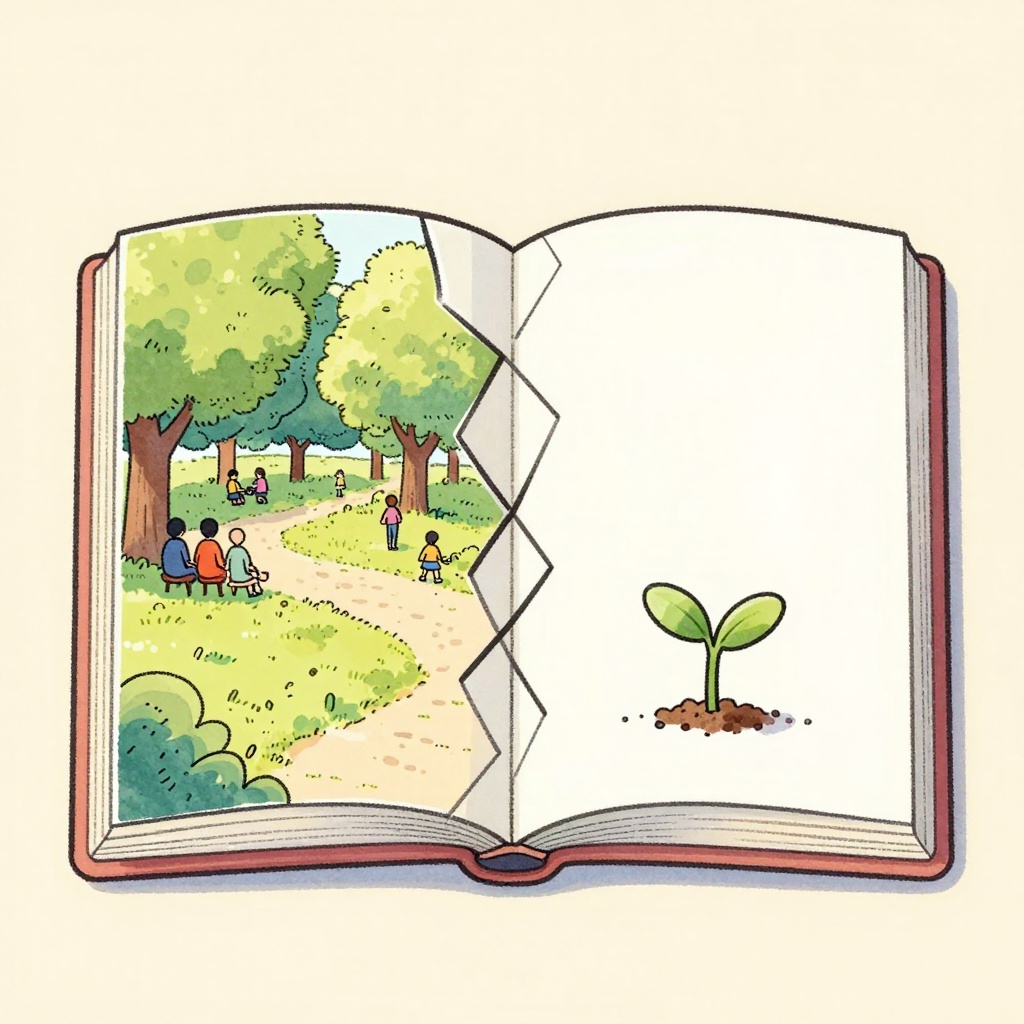
- The Fractured Narrative: Your life story had a “before” chapter. The disruptive event—the divorce, the pandemic, a loss—acts as a violent plot twist. The “after” chapter is unwritten and terrifying. The brain, seeking safety, may desperately try to re-read the “before” chapter (obsessive nostalgia) rather than face the blank page of the future.
- The Safety of the Cave: The son who stays in his room 24/7 is in a modern-day cave. It’s a controlled environment where the unpredictable, demanding “outside world” can’t hurt him. Avoidance and isolation are protective shells.
- Collective vs. Personal Trauma: The Reddit user who feels “something broke after 2020” is pointing to a collective trauma. When the world itself feels less safe and predictable, it amplifies personal struggles, making the task of building a future feel not just personally difficult, but existentially futile.
This stuckness is a symptom of injury, not a character flaw. Your mind and body are trying to protect you from further hurt.
Moving From Obsession to Integration: Processing Nostalgia Without Letting It Consume You
Nostalgia isn’t the enemy. It’s a signal. It tells us what we valued, what made us feel whole, safe, or joyful. The problem arises when we get stuck in the longing, using it as an escape from the present. The goal is not to erase nostalgia but to move from obsession to integration—to bring the essence of what we loved about the past into our current life in new, adaptable ways.
Here is a practical, two-part exercise to do just that:
Part 1: Create a “Grief Inventory”
Don’t let the feelings swirl vaguely. Give them shape on paper. This isn’t to make you sadder, but to clarify what you’re actually mourning.
- List the Tangible Losses: (The “what”)
- Example: Regular Friday dinners with friends, my old commute where I listened to podcasts, the feeling of planning a vacation.
- List the Intangible Losses: (The “why” – the feelings and needs beneath the tangibles)
- Example: A sense of belonging. Spontaneity and fun. A feeling of forward momentum. Optimism about the world.
Look at your intangible list. This is your core curriculum. This is what you need to rebuild.
Part 2: The Conscious Integration Practice
Now, take one intangible loss from your list each week. Your mission is not to recreate the past, but to find a small, new way to invite that feeling into your current life.
- If you grieve “Spontaneity and Fun”:
- Obsession looks like: Binging videos of past concerts, lamenting you’ll never have fun again.
- Integration looks like: Putting one “unplanned” 30-minute block in your week. In that block, you must do something on a whim—try a new recipe with ingredients you have, take a different walking route, dance to one song in your living room.
- If you grieve “A Sense of Safety”:
- Obsession looks like: Fantasizing about your childhood home, feeling perpetually unsafe now.
- Integration looks like: Creating one “anchor of safety” in your daily routine. This could be a 5-minute morning meditation, making your bed to create order, or a nightly ritual of writing down one thing that was okay about the day.
This process gently tells your nervous system: “The good things from the past are not lost forever. We can build new versions of them, here and now, on our own terms.”

The Rebellion of the Micro-Step: How to Thaw a Frozen Future
When the future feels like an unscalable mountain, the only sane response seems to be not to move at all. This is where the most powerful tool comes in: the non-negotiable micro-step.
A micro-step is a action so small, so simple, that the part of you that wants to shut down can’t logically argue against it. Its power isn’t in the outcome, but in the repeated act of choosing. It rebuilds agency, neuron by neuron.
How to Find Your First Micro-Step:
- Forget About “The Rest of Your Life.” Don’t think about getting a job, moving out, or finding a passion. That’s the mountain. We’re looking for a single, flat pebble to step onto.
- Ask the Kindest Question: “What is one thing I could do today that would be a 1% move toward feeling slightly more like a person who has agency?” Be brutally simple.
- Examples of True Micro-Steps:
- For the person stuck in their room: “I will leave my room and sit in a different chair for 10 minutes while I drink water.”
- For the person paralyzed by grief: “I will step outside and take three deep breaths, feeling the air on my face.”
- For the person overwhelmed by life admin: “I will open the bills envelope. Just open it. I don’t have to pay anything today.”
- Make It Non-Negotiable. Link it to an existing habit. “After I brush my teeth, I will do my micro-step.” The goal is consistency, not perfection. Doing it 4 out of 7 days is a victory.
This is your quiet rebellion. Every micro-step is a message to your frozen self: “I am still here. I can still choose. The story is not over.”
Building a Bridge Forward: Compassion as Your Foundation
As one Reddit user fiercely pointed out, people in deep suffering don’t need prescriptive answers or unsolicited platitudes. What they need is validation and compassionate support. As you take these steps, be that support for yourself.
- Your feelings are valid. The past was better in some ways. The future does feel scary. Allow that truth without judgment.
- Progress is non-linear. Some days, the nostalgia will win. Some days, even a micro-step will feel impossible. That’s okay. The path out of paralysis is a spiral, not a straight line.
- Seek Connection, Not Answers. If you can, share your dual grief or your micro-step goal with one safe person—not for them to fix it, but for them to witness it. If that feels too hard, consider a therapist or support group who understands trauma and grief.

Conclusion: Your “After” Is Waiting to Be Built
The pain of being stuck between a mourned past and a frozen future is one of the most disorienting human experiences. It’s the “failure to launch” and the “obsessive mourning” combined. But within that pain is a map: your grief shows you what you value, and your paralysis points to where you need gentle, agency-building care.
You don’t have to solve it all today. You don’t have to stop missing what was. Your task is simply to name the dual grief, understand the protective freeze, integrate the essence of your past, and rebel with a micro-step.
Your “after” won’t look like your “before.” It will be something new, built with the wisdom of your loss and the courage of your small, daily choices. Start with one thing. One tiny, non-negotiable act of choice. That is how you begin to thaw the frozen future and build a present you can truly live in.
Your call to action is small: Before today ends, decide on your first micro-step for tomorrow. Write it down. That is the first sentence of your new chapter.