

When Life Feels Stuck: Navigating Paralysis, Nostalgia, and Unhelpful Advice
Have you ever felt like you’re watching life happen from behind a thick pane of glass? You can see a world moving forward—jobs, relationships, plans—but you feel frozen, unable to step into it. Maybe you’re a young adult living at home, spending days in your room, paralyzed by the sheer weight of “what’s next.” Perhaps you’re haunted by a deep, aching nostalgia for a time before 2020, feeling like something fundamental broke and can’t be fixed. Or, you might be on the receiving end of well-meaning but utterly crushing advice like “just have faith” or “think positive,” which only deepens your sense of isolation.
If this resonates, please know this first: you are not broken, and you are not alone. The posts and comments shared by real people paint a clear, interconnected picture of modern struggle. It’s not just one issue—it’s a tangled web of life paralysis, collective grief, and the frustration of being profoundly misunderstood.
This article is for anyone feeling stuck in place, mourning a lost era, or exhausted by platitudes. We’ll move beyond labels to understand the roots of this “stuckness,” validate your sense of grief, dissect why common advice fails, and, most importantly, map out small, actionable steps toward movement. This isn’t about a quick fix; it’s about compassionate understanding and a practical path forward.
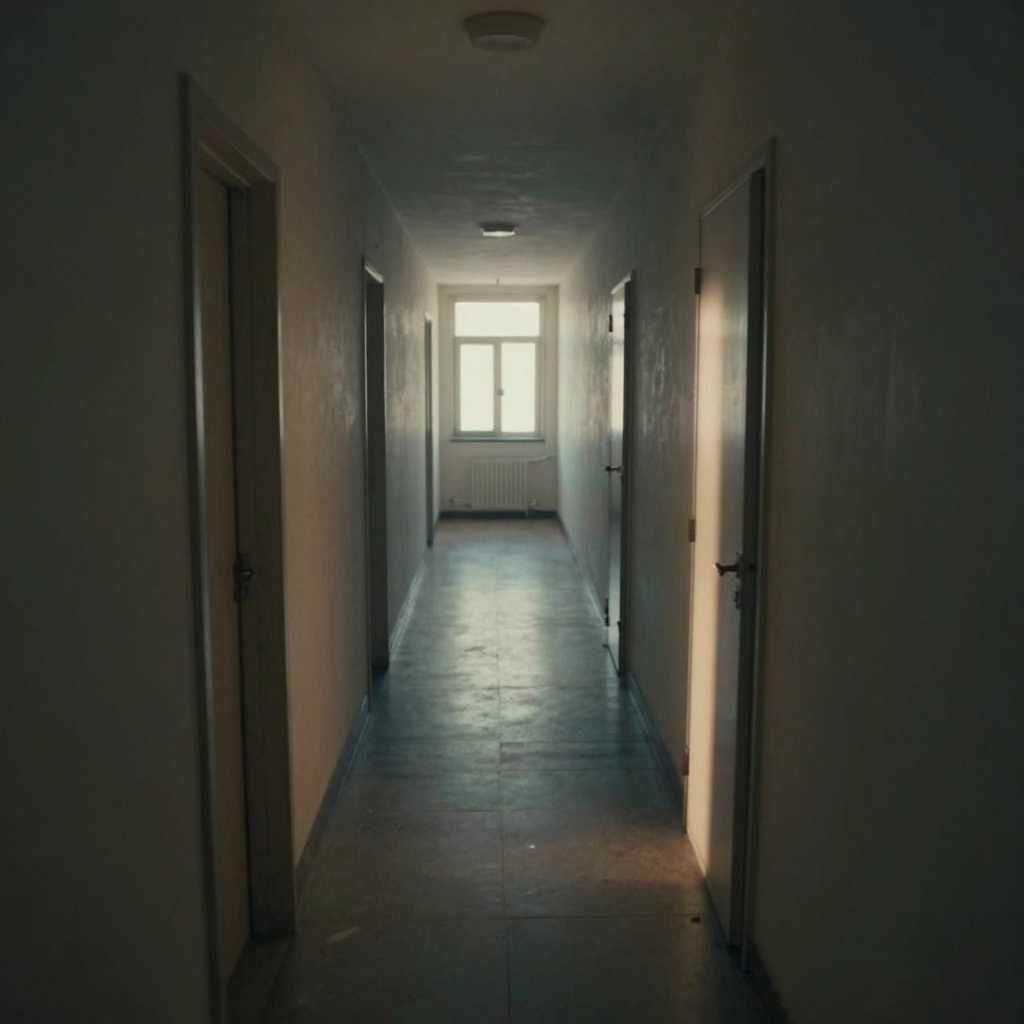
Decoding “Failure to Launch”: It’s Not Laziness, It’s Overwhelm
Terms like “failure to launch” or accusations of laziness are not just unhelpful—they’re harmful. They place blame on character, ignoring the complex, often invisible, forces at play. Let’s look at the real story behind the withdrawal, using the example of the 20-year-old son who stays in his room.
The Roots of Paralysis:
- Untreated Mental Health Conditions: What looks like refusal is often the symptom of depression (sapping all energy and hope), anxiety (making every option feel terrifyingly wrong), or the unique overwhelm of ADHD in young adulthood. The executive functions needed to plan, start, and follow through—to “launch”—are precisely what these conditions impair.
- The Weight of Family Trauma: A “bitter, ugly” divorce, being put in the middle, and a parent with a personality disorder (like the mentioned sociopathy) are not just past events. They are relational traumas that shatter a child’s foundation of safety and trust. The world becomes an unpredictable, threatening place. Withdrawing to a solitary room isn’t rebellion; it’s a survival strategy—the only place that feels controllable.
- The Crushing Weight of Expectations: The transition to adulthood is daunting for anyone. When you add a history of trauma and a potential neurodivergent brain, the pressure to suddenly have a career, independence, and a plan can be utterly paralyzing. It’s not a lack of desire, but a system overload.
Actionable Takeaway – Reframing the Narrative:
If you see yourself in this, try this shift: Instead of “I’m lazy and failing,” experiment with “My system is overwhelmed and protecting me.” The goal isn’t to excuse inaction, but to understand its source with kindness, which is the first step toward addressing it.
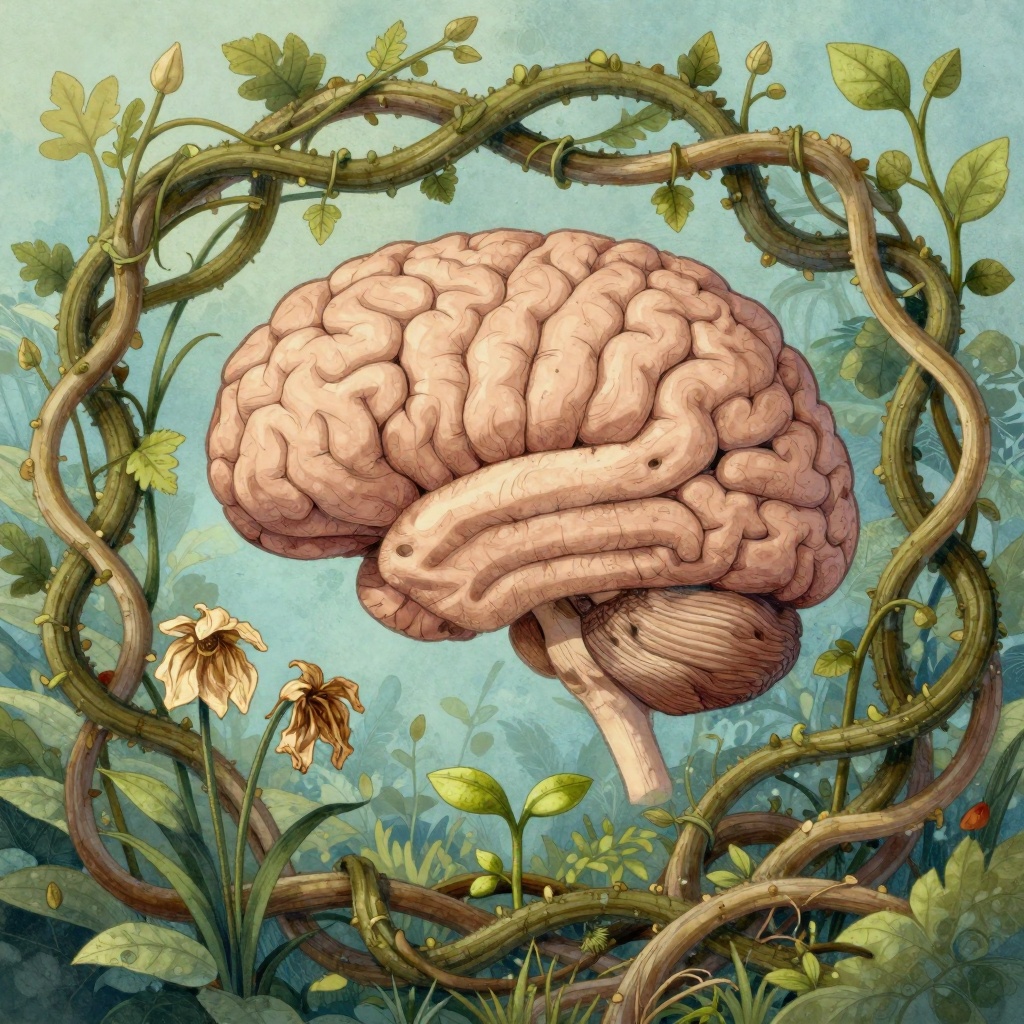
The Grief of a Lost Era: When Nostalgia is More Than Memory
“Life after 2020 just feels so horrible.” “It feels like something broke after that.” This isn’t mere reminiscing for a simpler time. This is disenfranchised grief—a profound sorrow for losses that aren’t widely recognized or socially supported.
We aren’t just missing parties or commutes. We are collectively grieving:
* Lost Safety: The fundamental assumption that the world is broadly safe and predictable was fractured.
* Lost Optimism: A forward-looking narrative of progress and stability was replaced with one of crisis, division, and uncertainty.
* Lost Time and Milestones: Years that were “supposed to be” formative, connecting, or celebratory were altered or erased.
* Lost Shared Reality: The social fabric of shared experiences and trust in institutions feels worn thin.
When your grief has no clear endpoint, no funeral, and is often met with “just move on,” it becomes a heavy, private burden. This background grief drains your emotional reserves, making it exponentially harder to deal with personal challenges, contributing directly to that feeling of being stuck.
Actionable Takeaway – Honoring the Grief:
Give yourself permission to mourn. Try writing a brief “grief letter” to the pre-2020 world. Acknowledge what you feel was lost—the feelings, the opportunities, the version of yourself that existed then. This isn’t about living in the past, but about validating your pain so it can begin to integrate, freeing up energy for the present.
What Not to Say (And Why): The Anatomy of Unhelpful Advice
The fury in the post “Newsflash: People suffering don’t need your God or your answers” is palpable and justified. Phrases like “It’s all God’s plan” or “Just think positive” are not neutral; they can be actively damaging. Here’s why:
- They Dismiss and Invalidate: They implicitly say, “Your profound pain is part of a simple, divine blueprint” or “Your complex emotional state is a choice you’re making wrong.” This invalidates the individual’s authentic experience.
- They Center the Speaker, Not the Sufferer: Offering a platitude is often more about making the advisor feel helpful or comfortable with discomfort than about sitting with the suffering person in their pain.
- They Impose a Solution, Cutting Off Connection: True support starts with listening and saying, “That sounds incredibly hard. I’m here.” Platitudes skip this crucial step. They are a conversational dead-end that shuts down vulnerability. As one commenter said, it makes people feel intolerable.
The Alternative: Supportive Responses
Instead of offering answers, offer presence:
* “I can’t imagine how hard this is for you. I’m just so sorry you’re carrying this.”
* “That sounds overwhelming and really painful. Thank you for telling me.”
* “I don’t have any answers, but I care about you and I’m not going anywhere.”

Actionable Steps Forward: From Paralysis to Movement
Understanding and validation are crucial, but they must lead to action. Here are concrete, first-step strategies for both the person feeling stuck and their supporters.
If You Feel Stuck:
- Practice “Radical Acceptance” of This Moment: This is a DBT skill. It means acknowledging your current reality—the stuckness, the grief, the pain—without judging it or yourself for it. You don’t have to like it. Just say, “This is what is happening right now.” This reduces the exhausting secondary struggle against your feelings.
- Frame “Small Daily Wins”: Abandon grand plans. A win is anything that moves a needle from 0 to 1. Did you get out of bed? Win. Did you drink a glass of water? Win. Did you step outside for 60 seconds? Win. Literally write these down. This rebuilds a sense of agency in a brain convinced it has none.
- Seek Specific Professional Help: Look for a therapist who specializes in trauma (like CPTSD), ADHD in adults, or grief. Ask about modalities like Acceptance and Commitment Therapy (ACT) which helps you live alongside difficult feelings, or Internal Family Systems (IFS) which can help heal parts of you wounded by family trauma. Therapy isn’t just about medication; it’s about building skills and processing pain.
For Supporters (Family, Friends):
- Initiate a “Doorway Conversation”: Don’t stage an intervention. Instead, at a calm time, approach non-confrontationally. Sit in the doorway of their room, don’t block the exit. Use “I” statements: “I’ve noticed you seem really withdrawn lately, and I care about you. I’m not here to lecture. I just want to listen if you want to talk about what’s going on.” The goal is connection, not solutions.
- Offer Concrete, Low-Pressure Help: Instead of “You need to get a job,” try “Would it be helpful if I sat with you for 20 minutes while you just update your resume? No pressure to send it.” Or, “Let’s go for a five-minute walk around the block with no talking.” Reduce the steps and the pressure.
- Educate Yourself: Read about complex PTSD, adult ADHD, and disenfranchised grief. Understanding the “why” behind the behavior transforms frustration into compassion, which is the bedrock of real support.
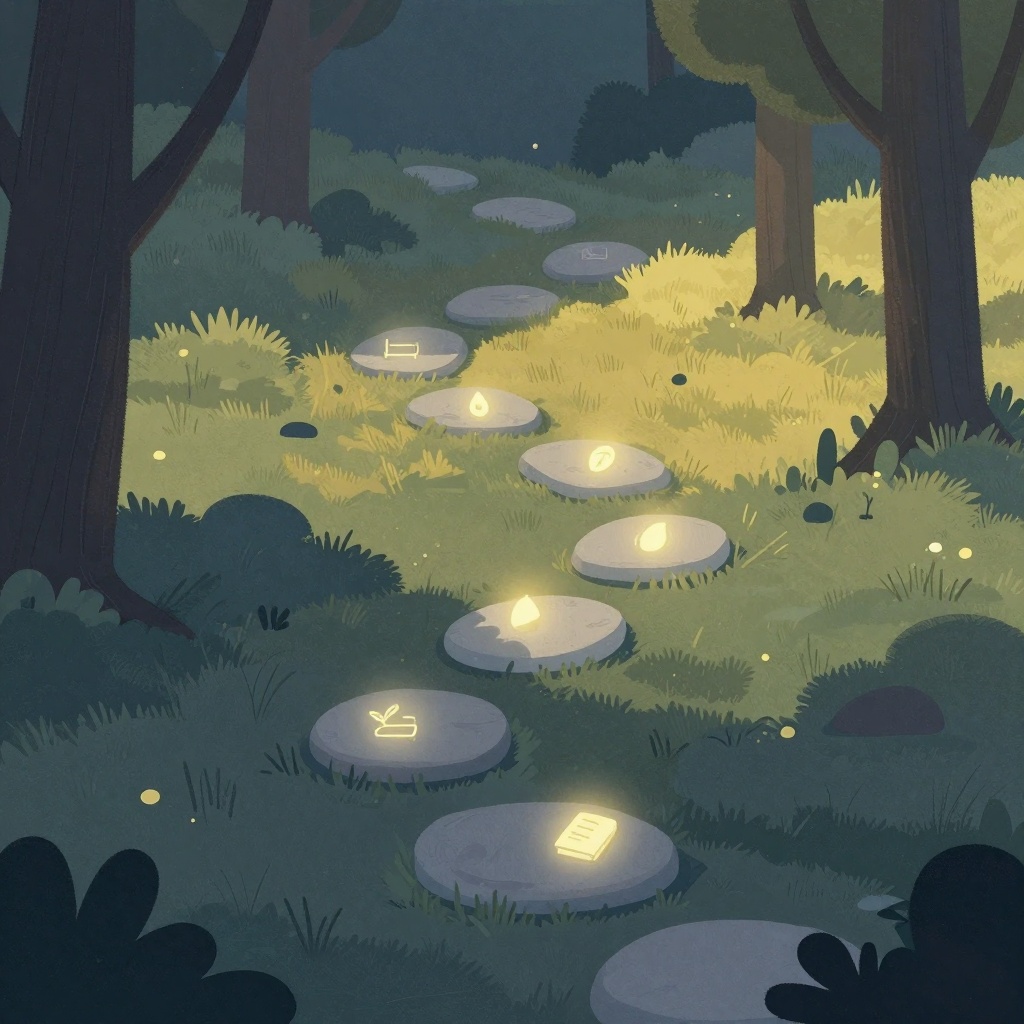
Conclusion: Your Experience is Valid, and Movement is Possible
The feeling of being stuck is a perfect storm: personal mental health battles, the aftershocks of past trauma, and a collective atmosphere of grief and uncertainty. It’s no wonder simple advice falls painfully short.
You are not failing at life. You are navigating an incredibly complex set of circumstances. By decoding the paralysis as overwhelm, honoring your nostalgia as real grief, setting boundaries against unhelpful advice, and taking microscopically small steps, you begin to untangle the knot.
Start with one thing from this article. Practice radical acceptance for five minutes. Write down one tiny win. Have one doorway conversation. This isn’t about a dramatic leap, but about turning your face, ever so slightly, toward the possibility of a different kind of day.
Your path forward won’t look like anyone else’s, and it doesn’t need to. It just needs to be yours.